
How Do You Actually Maintain the Gain?
Tags: coaching tools, road model, dedication, maintain the gain, christian coaching, coach training
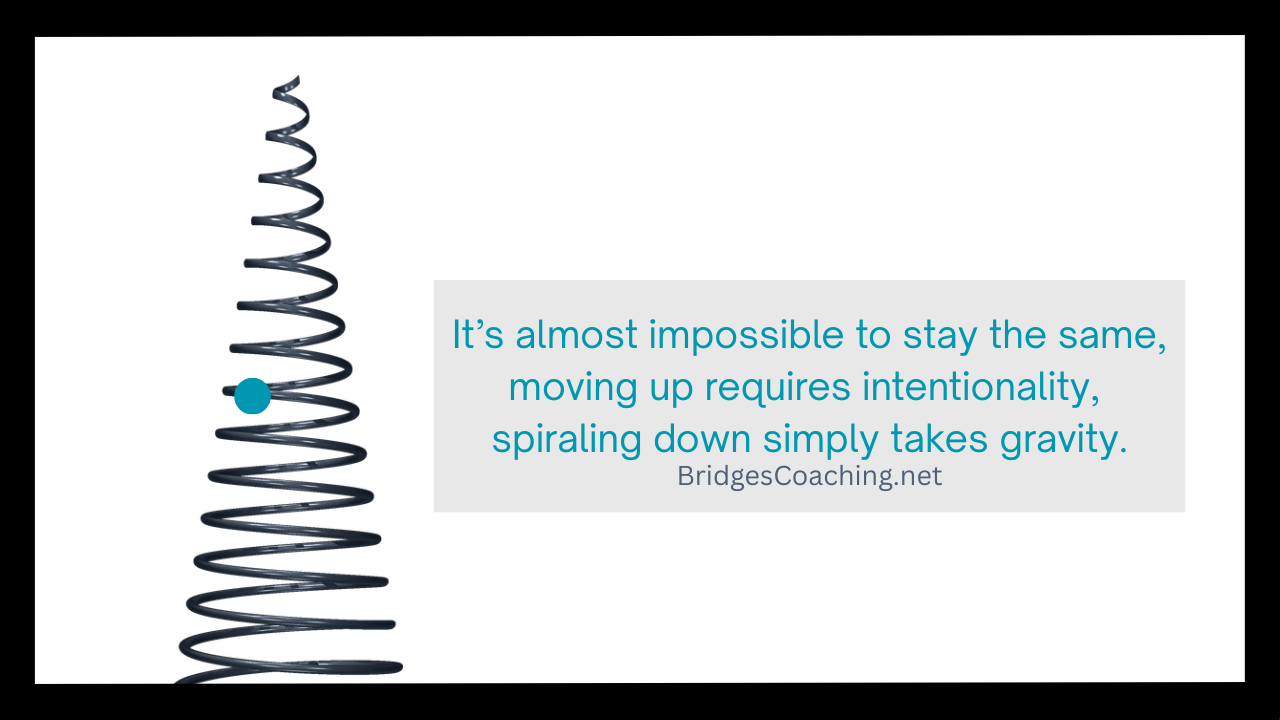
Most change doesn't fail on day one. It fails around day seventeen.
The first conversation goes great. Someone recognizes what's really going on, takes ownership of their part, and commits to a concrete action. And it works — for a while. Then life gets loud again, the old pattern feels easier, and slowly, without anyone deciding to quit, the gain disappears.
Dedication is the "D" in ROAD, and it might be the most overlooked of all four letters, because by the time you get here, the hard emotional work already feels done. It isn't.
The parable that's really about this
In Matthew 13, Jesus tells the parable of the sower — seed scattered on different kinds of ground. Some of it springs up quickly on rocky soil, looks promising, and then withers because it "has no root." That image has stuck with me for years, because it describes almost every failed New Year's resolution, every b...
Insight Isn't the Finish Line
Some of the best conversations I've ever had ended with absolutely nothing changing.
Someone had a real breakthrough. You could see it — the shift in their face, the "I never thought about it that way" moment. And then... life happened, the week got busy, and three months later, they're right back where they started.
That's what happens when a conversation stops at insight and never makes it to Action — the "A" in ROAD.
Why a good "aha" moment isn't enough
An aha moment feels like progress, and in a way, it is. Recognizing something new about your situation and taking ownership of your part in it are both real, necessary steps. But insight without action is just an interesting thought you had once. James put it plainly: "Do not merely listen to the word... Do what it says" (James 1:22). Understanding something and living differently because of it are two separate steps, and the gap between them is where most good intentions quietly die.
The trap of "someday"
Vague resolve doesn't...
Whose Job Is It to Actually Change?
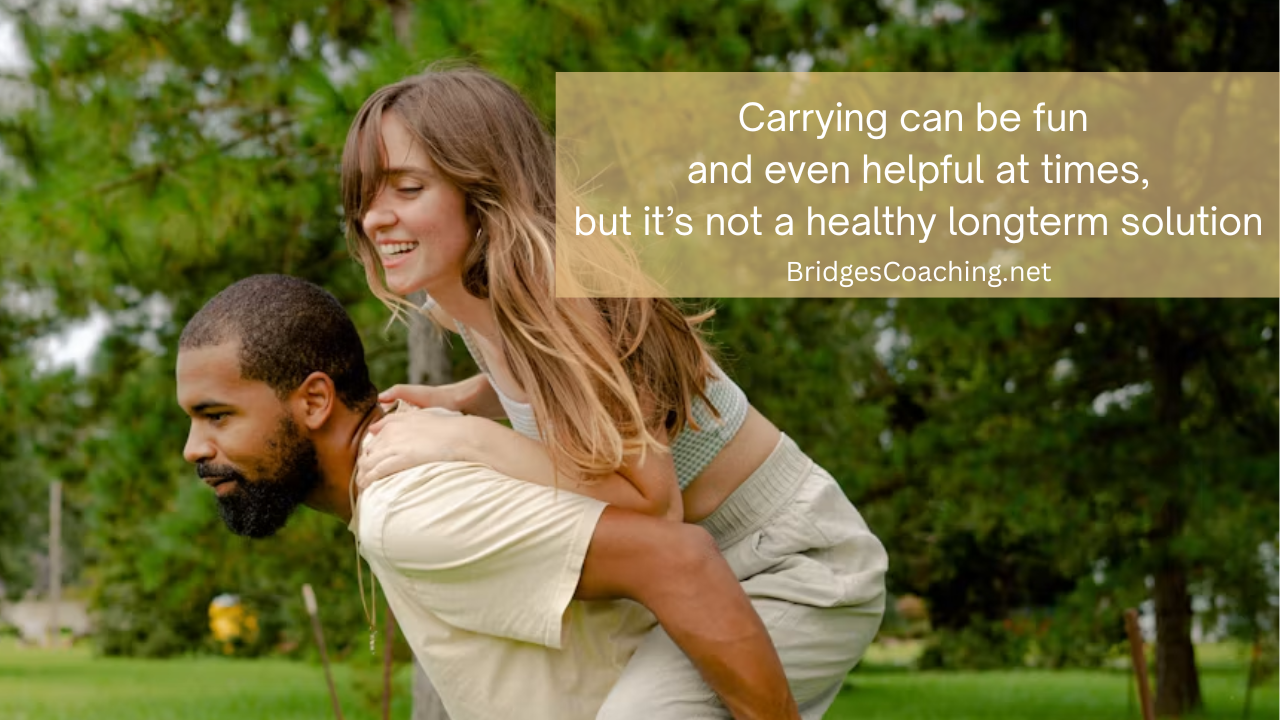
It sounds loving. It often comes from a genuinely loving place. But it also happens to be the fastest way to keep someone dependent instead of helping them grow.
Ownership is the "O" in ROAD, and it might be the hardest letter of the four — because it asks you to care deeply about someone's outcome while refusing to carry it for them.
Care without carrying
There's a real tension here, and Scripture actually holds both sides of it. Galatians 6:2 tells us to "carry each other's burdens." A few verses later, Galatians 6:5 says "each one should carry their own load." Both are true at the same time. Support is real. But so is the fact that some things are simply not yours to carry.
Ownership is the practice of telling the difference — in the moment, in a real conversation — between
...The Skill Most People Skip: Learning to Actually Recognize What's Going On
We've all been there.
Someone starts venting to you. Within about ten seconds, you already know what they should do.
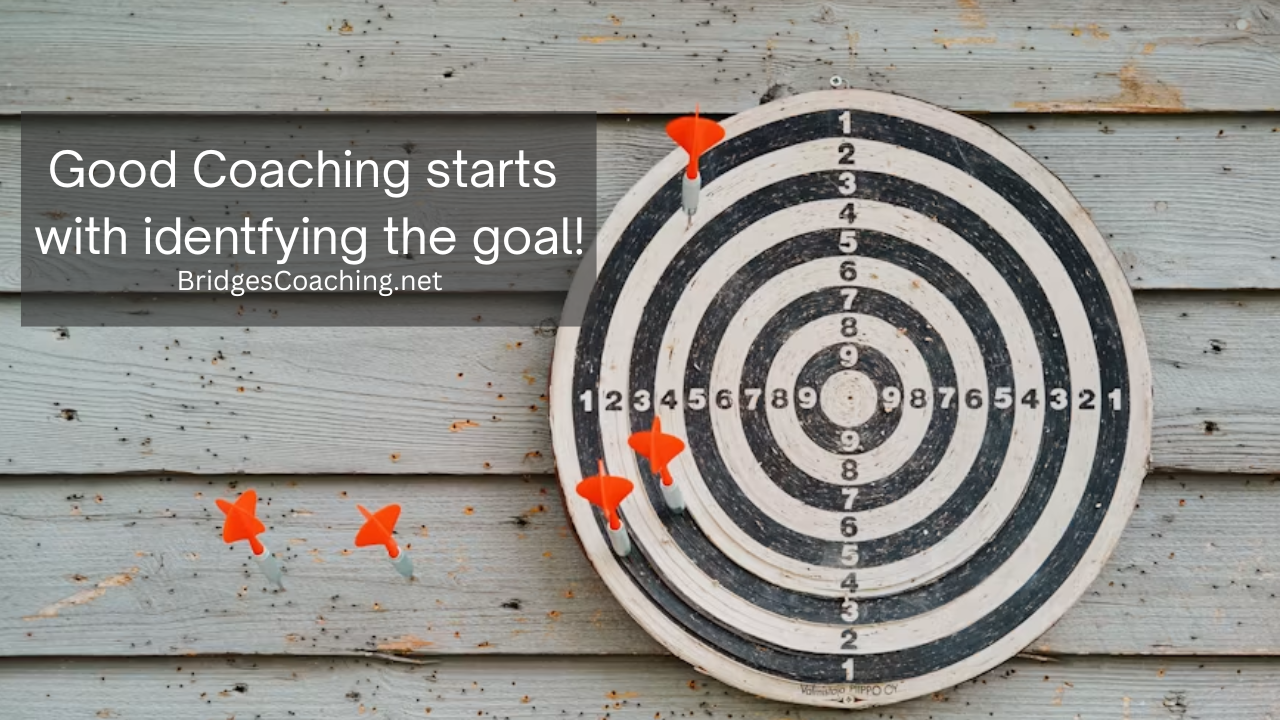
Maybe you're right. Maybe you're not. But here's what I've noticed after years of coaching conversations: the moment you jump to a solution, you've usually skipped the most important step in the whole conversation — helping the person actually recognize what's going on.
Recognition is the "R" in the ROAD framework we teach at Bridges — Recognition, Ownership, Action, Dedication. It's the step almost everyone skips, because it feels like the slow part. It isn't the part where anything gets fixed. It's the part where someone finally sees clearly.
Why skipping this step backfires
Think about the last time someone gave you advice before you'd even finished explaining your situation. It probably didn't land — not because the advice was bad, but because you weren't done recognizing the problem yet. You were still figuring out what was actually going on underneath it all.
...